

Relocating an office in Canberra costs $150–$220 per hour for a commercial crew with a truck, usually with a 3–4 hour minimum. Most small office moves (up to about 10 workstations) land between $800 and $2,500; a 10–20 person office typically runs $1,500–$4,500 depending on IT, access and scheduling; larger or fully managed relocations start from around $5,000. A useful planning figure is $150–$200 per workstation for removals, packing and transport within the city. After-hours and weekend windows — the standard way to avoid business downtime — usually carry a premium of 20% or more, and specialty items such as server cabinets or heavy copiers are typically surcharged $200–$800 per item.
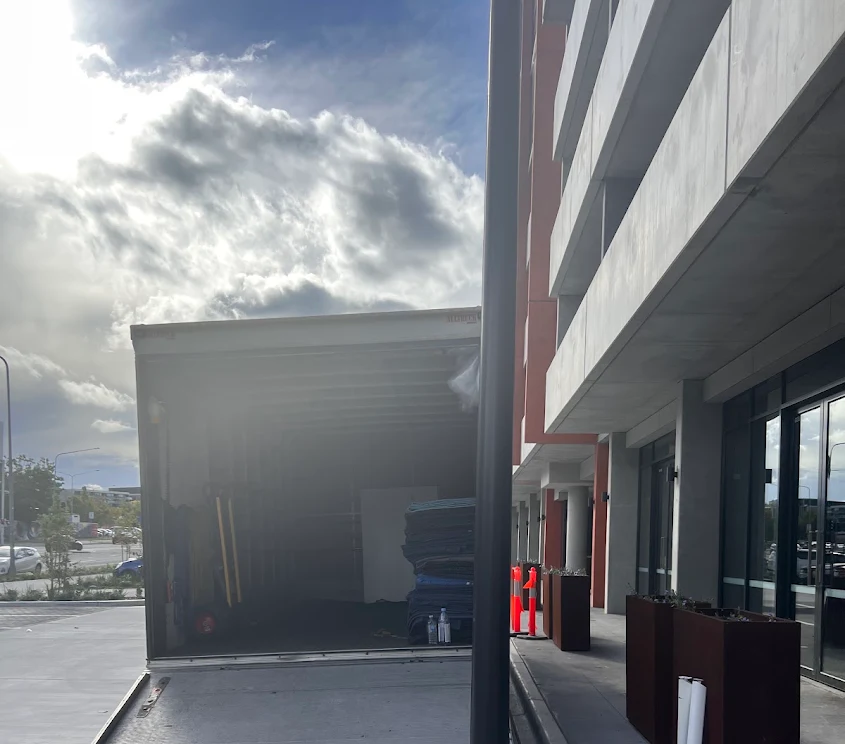
Canberra office relocation costs by size
| Office size | Crew | Physical move time | Typical cost |
|---|---|---|---|
| Small office (3–10 desks) | 2–3 crew, medium truck | 2–4 hrs | $800–$2,500 |
| Medium office (10–20 desks) | 3–4 crew, large truck | 4–6 hrs | $1,500–$4,500 |
| Large office (20–50 desks) | 4+ crew, multiple trucks | Staged, often over a weekend | $5,000–$15,000+ |
These are typical published Australian metro market ranges as at 2026, applied to Canberra conditions. The physical move is only part of a relocation budget — allow for IT disconnection and reconnection, new access systems, and any lease make-good obligations at the old premises, which are commonly estimated at $300–$800 per square metre depending on the lease.
What actually moves the price
- Workstation count and furniture type. Modular workstations, partitions and large meeting tables need disassembly and reassembly — ask whether that time is inside the headline rate or billed separately.
- IT and specialty equipment. Desktops and monitors are standard fare; server cabinets, large copiers and plotters usually attract a specialist surcharge. Decide early whether your IT provider or the removalist handles disconnection and reconnection.
- Scheduling. Most office moves run after hours or over a weekend to protect trading time, and those windows are priced accordingly. Mid-month weekday moves are the cheapest configuration if your business can absorb them.
- Building access. Lift bookings, loading dock time limits and certificate of currency requirements at both buildings add lead time and, if missed, add hours on the day.
- Packing and purge. The cheapest items to move are the ones you don't. A desk-by-desk purge and early archive cull routinely cuts a truckload from small office moves.
- Consumer law still applies. Under Australian Consumer Law, services costing up to $100,000 — including purchases by businesses — carry the same guarantees of due care and skill. The ACCC's industry guide to the ACL sets out those rights.
What moves office relocations in Canberra specifically
Frequently asked questions
How much does it cost to move an office in Canberra?
Between $150 and $220 per hour for a commercial crew and truck in 2026. A small office of up to 10 workstations typically costs $800–$2,500 all up; a 10–20 person office typically runs $1,500–$4,500; larger managed relocations start from around $5,000.
How long does an office relocation take?
The physical move is quick — 2–4 hours for a small office, 4–6 for a medium one, with larger moves staged over a weekend. The project isn't: allow six to twelve weeks from decision to desks, driven by building bookings, IT cutover and lease dates rather than the trucks.
When should an office move be scheduled?
Outside your trading hours — evenings and weekends are the market standard for minimising downtime, priced at a premium. If downtime doesn't cost you much, a mid-month weekday is the cheapest slot. Truckmen offers flexible scheduling for Canberra office moves, with a dedicated moving manager on commercial jobs.
How far in advance should we book?
Book the removalist four to six weeks out, and start the project eight to twelve weeks out — building lift bookings and insurance paperwork commonly need two to four weeks' lead time on their own, and late bookings pay a scarcity premium.
Do removalists move IT equipment and servers?
Desktops, monitors and standard network gear are part of a normal office move. Server cabinets and comms racks are specialist items — usually surcharged, sometimes handled by your IT provider instead. Label every cable and machine, back everything up beforehand, and agree in writing who disconnects and who reconnects.
Guide v1.0 · Last updated July 2026 · Figures are typical market ranges and individual quotes vary.
Back to Articles & Help Guides